Plate 1
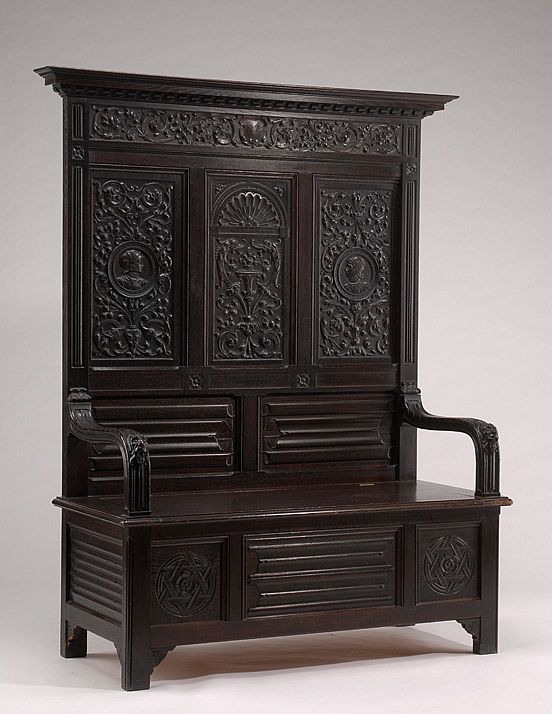
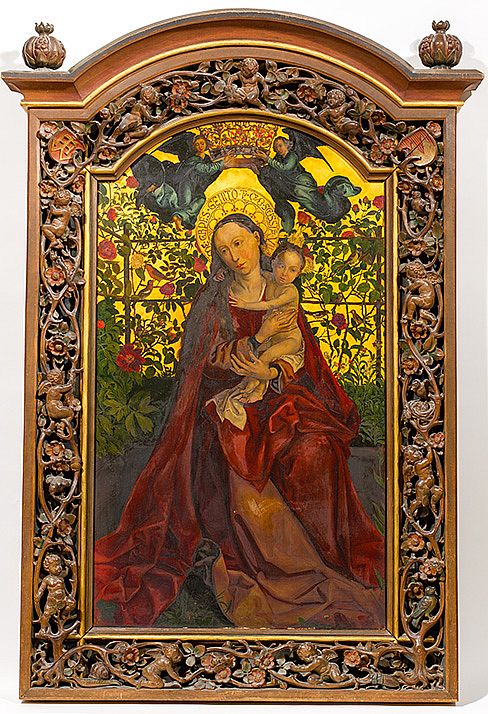
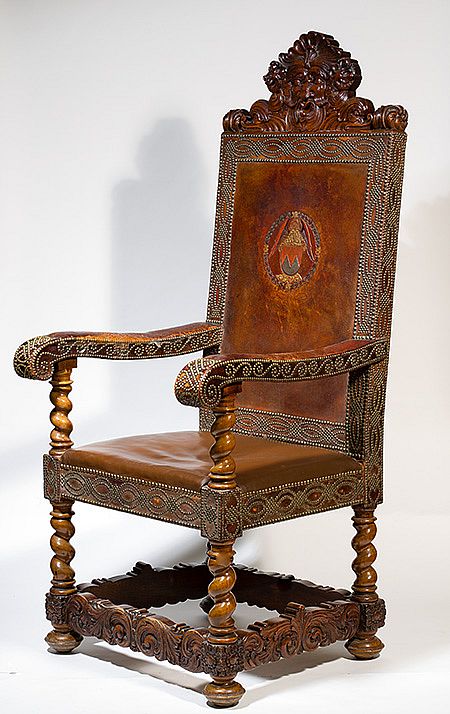
Seat chest with back
Otto Fritzsche, Munich, c. 1892–95
Inv. 2007/147.1Bayerisches Nationalmuseum, München. Foto: Karl-Michael Vetters
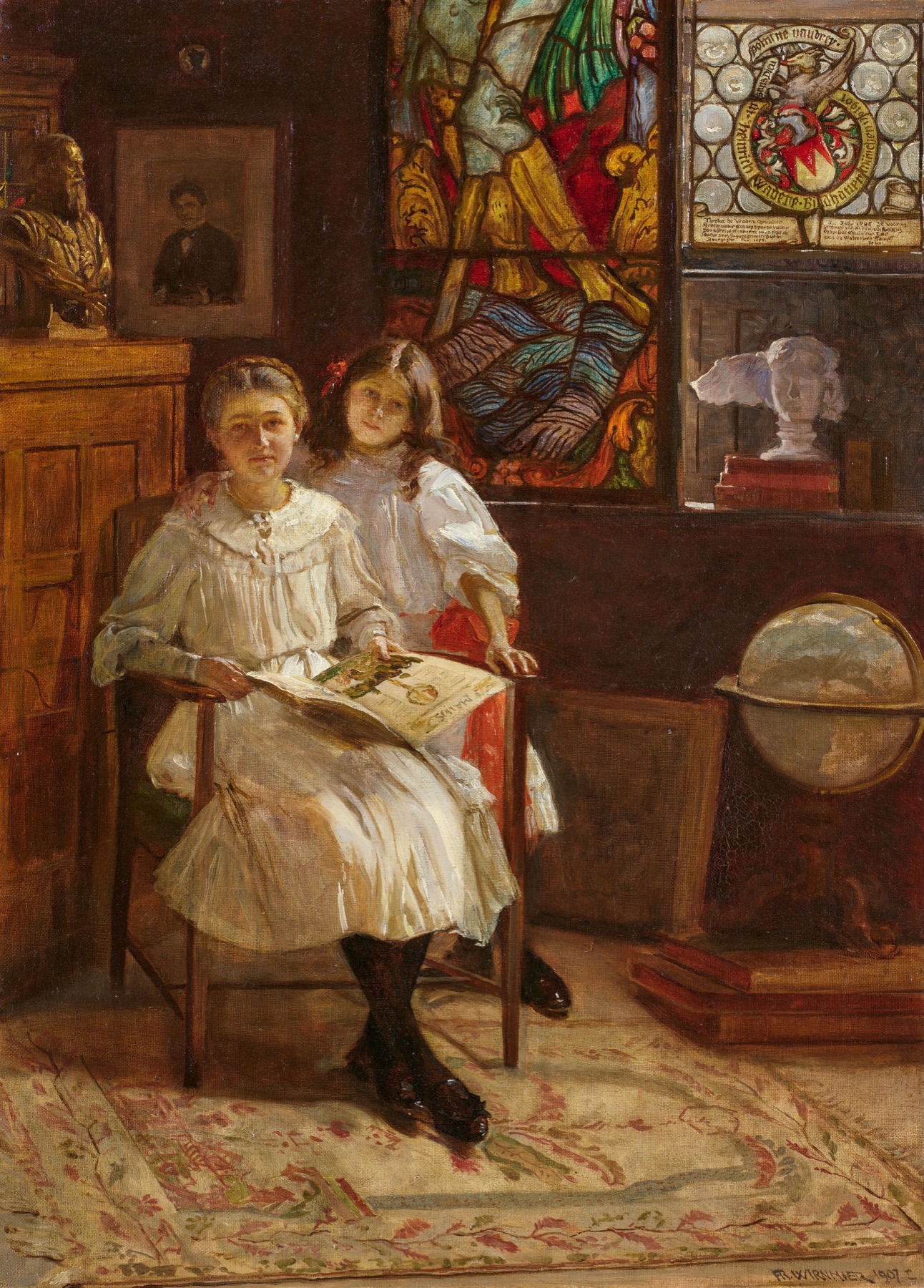
An artist’s world, painted by his peer.
Music · Robert Schumann, Kinderszenen — Am Kamin, 1838
The sitters
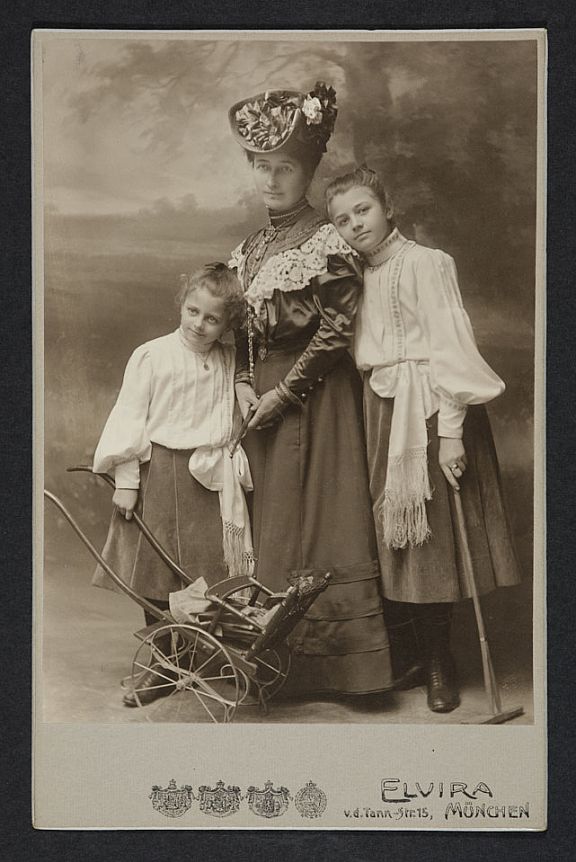
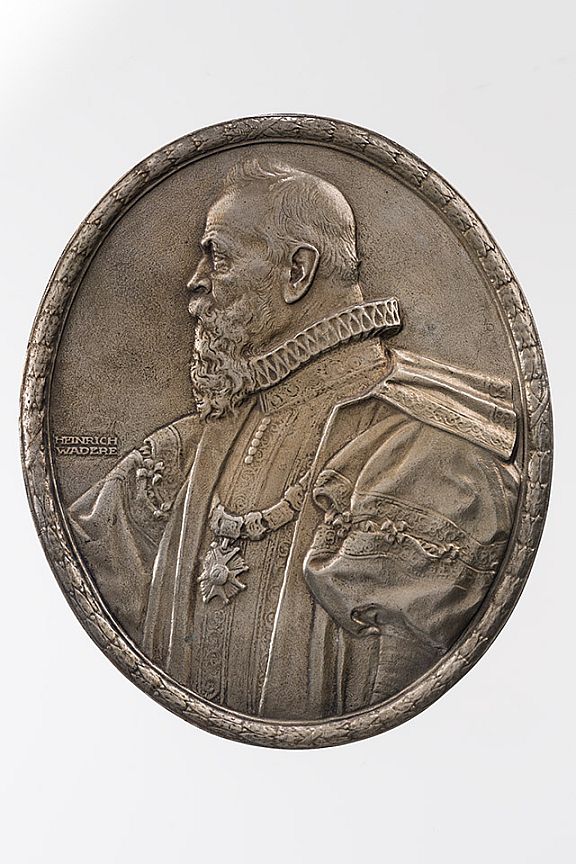
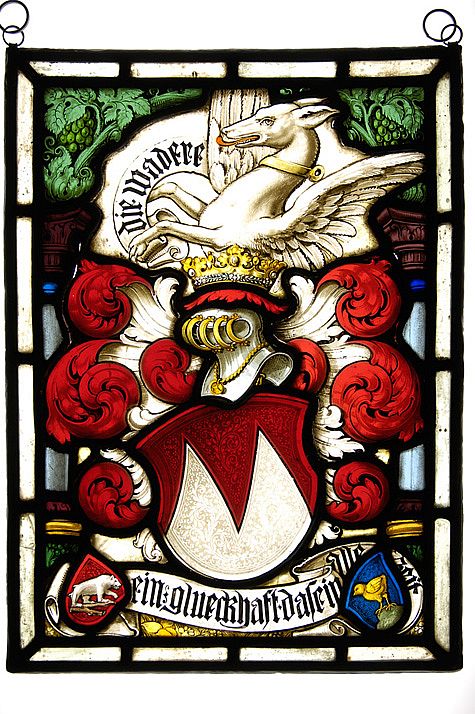
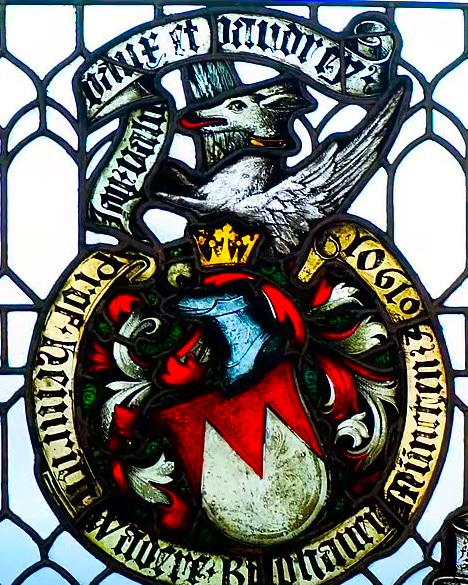
The Waderé household
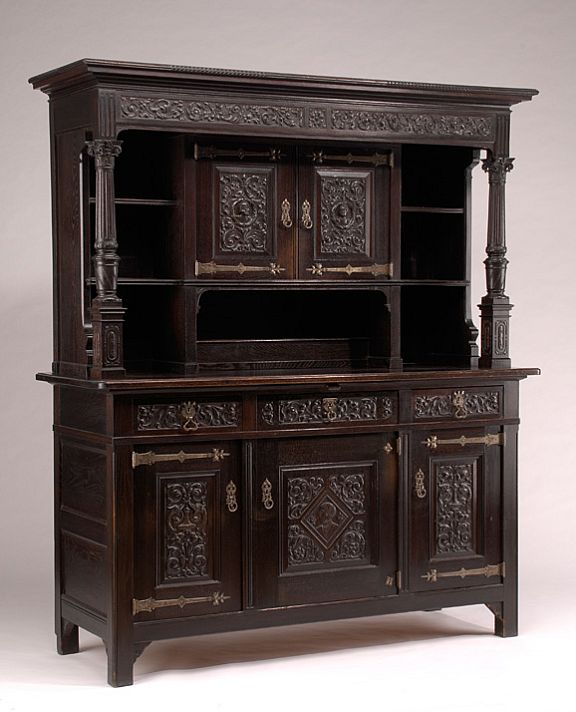
Furniture, painted glass, old-master copies and family photographs — now in the Bayerisches Nationalmuseum. The world Wirnhier painted in 1907.
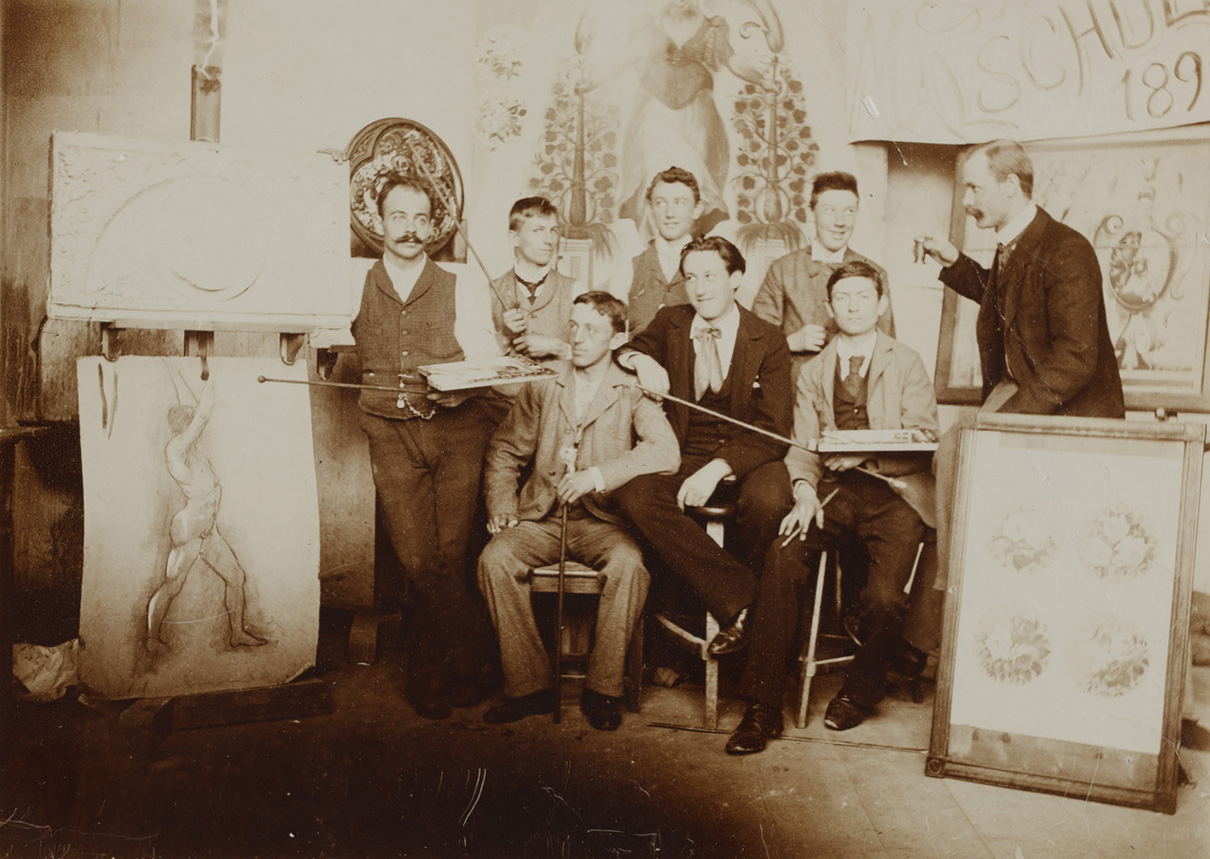
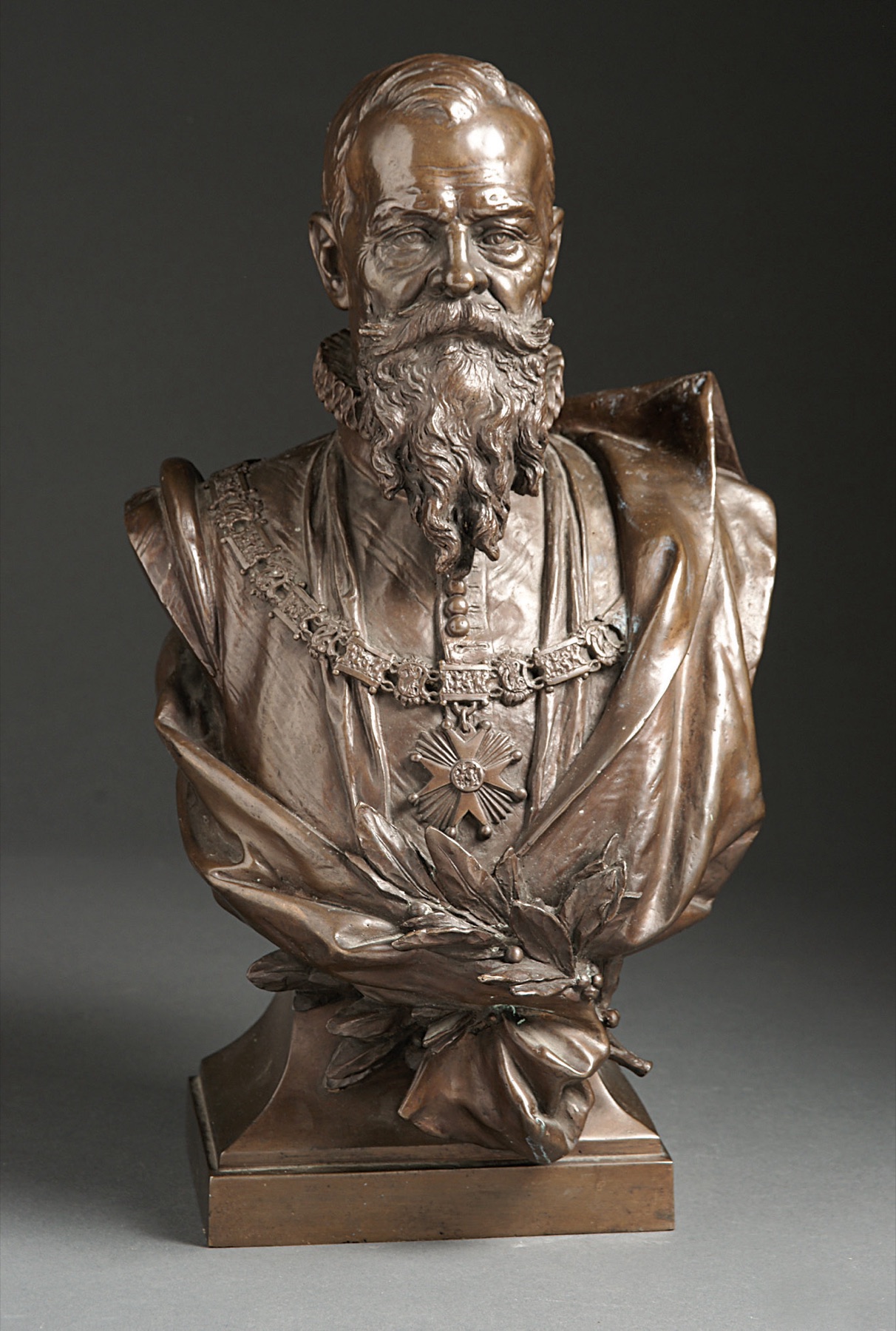
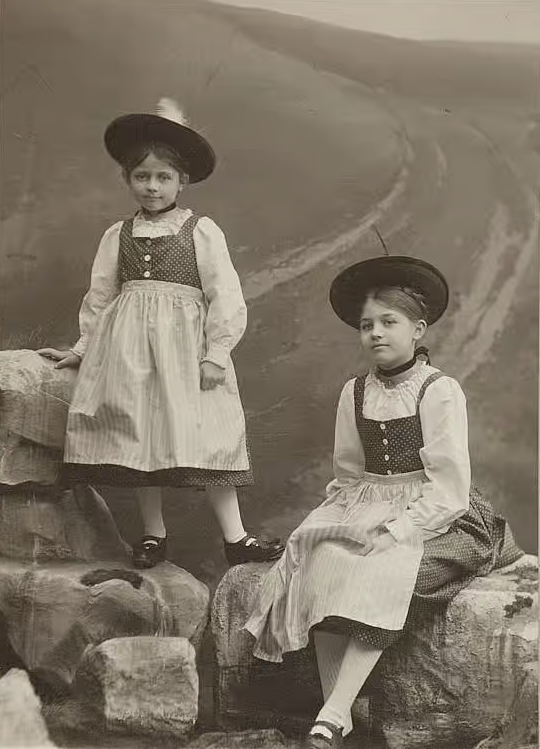
From the family estate, the Bayerisches Nationalmuseum holds the carved-oak living-room suite by the court furniture maker Otto Fritzsche, the family arms in painted glass, old-master copies in frames Waderé designed, and the family’s photographs. Together they preserve the working and domestic life of a Munich artist’s family — the world Wirnhier painted in 1907.
Munich · around 1905
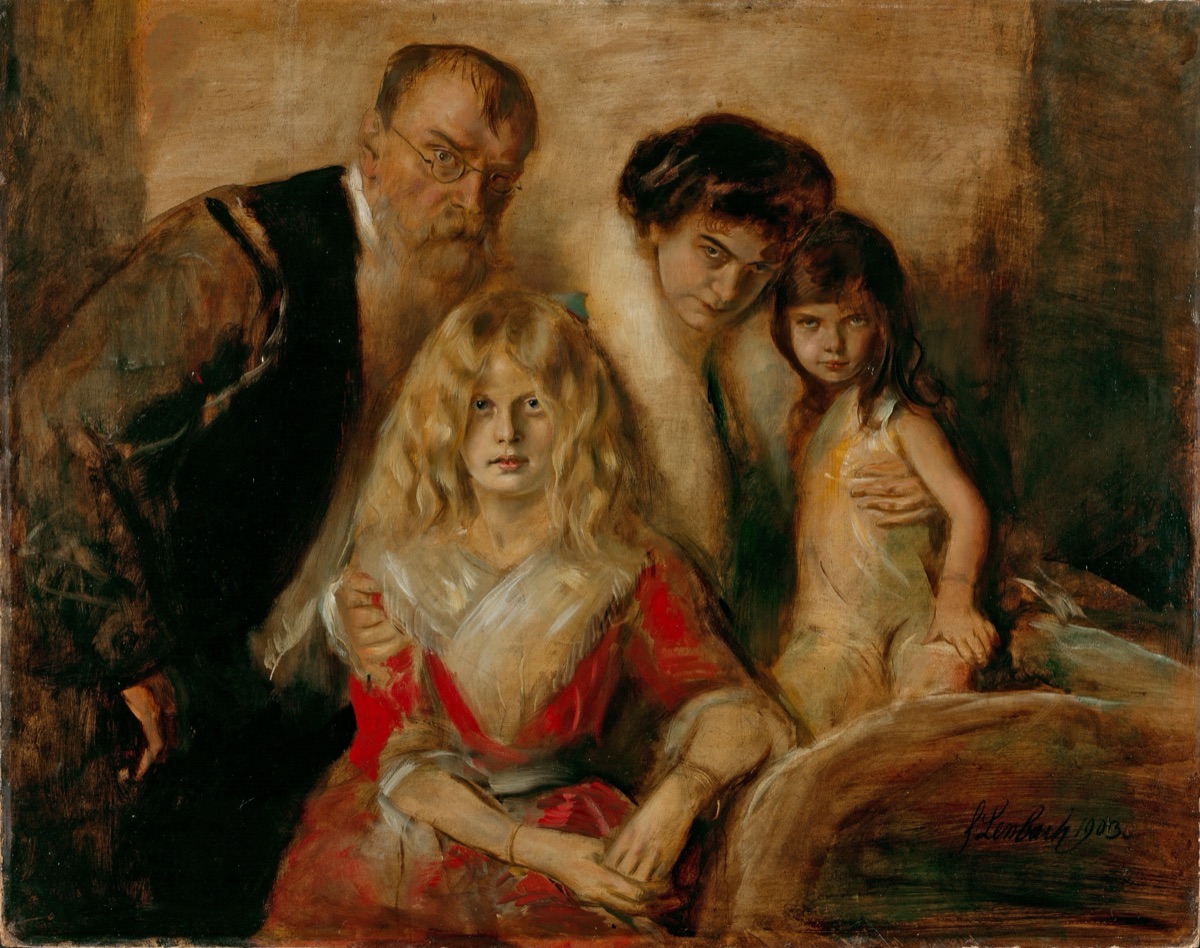
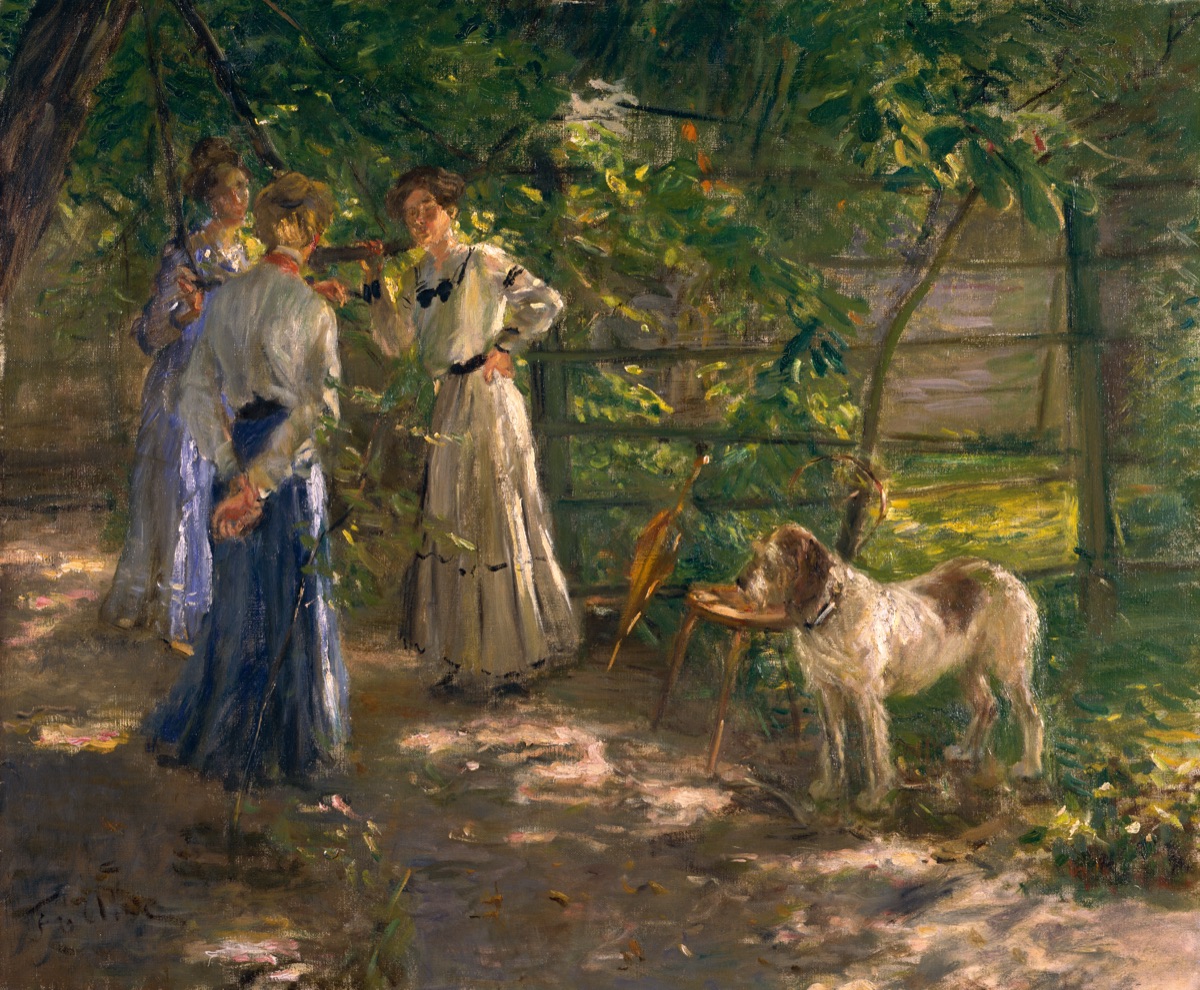
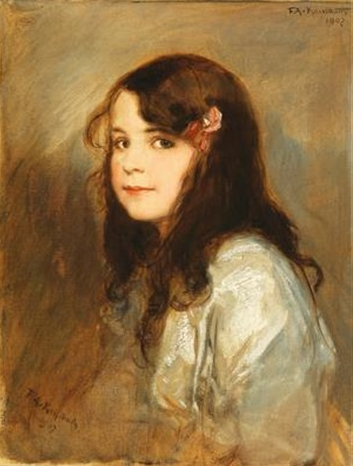
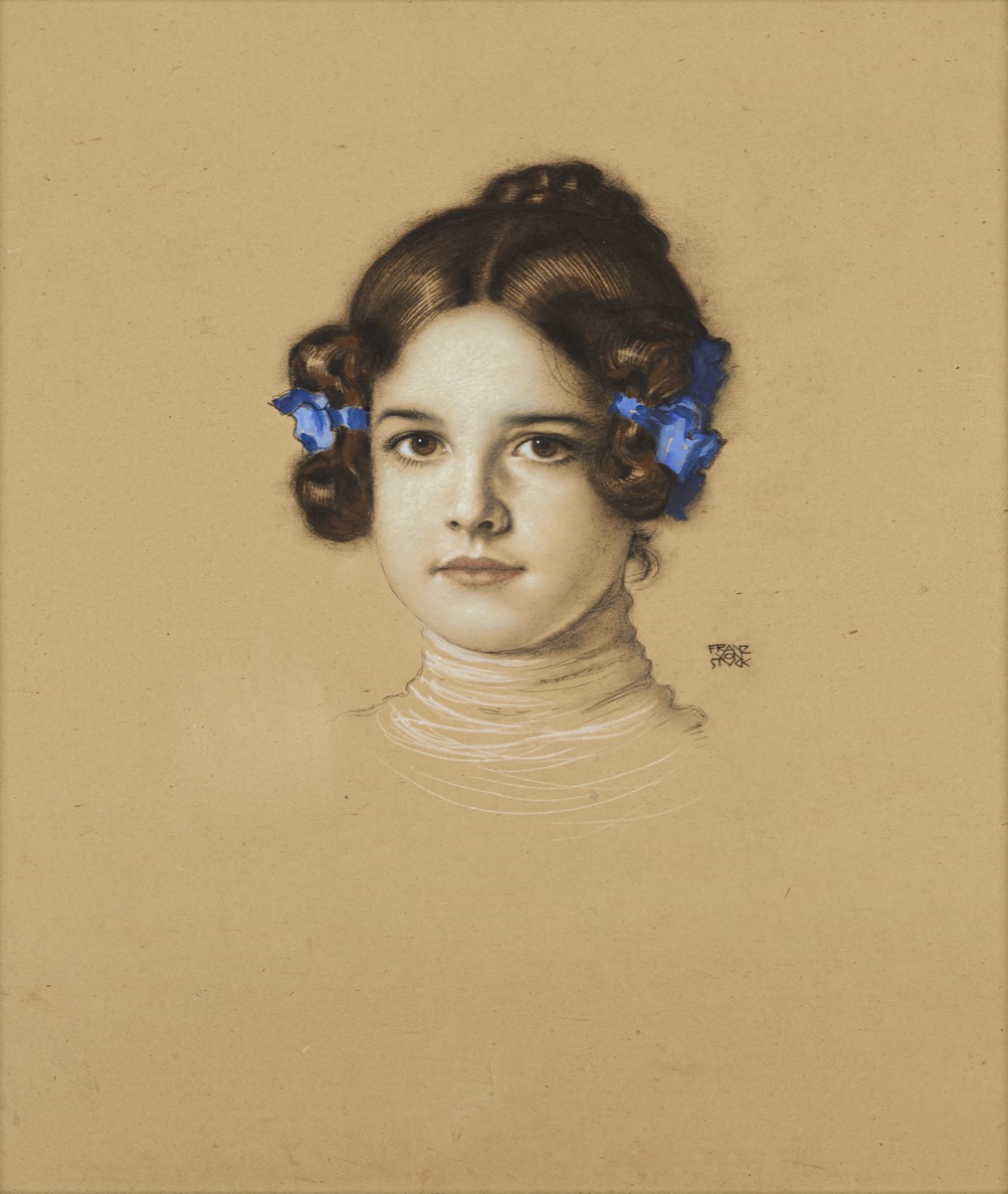
Munich’s painter-princes portrayed their own daughters again and again — Lenbach, Uhde, Kaulbach, Stuck.
The painter
Born in Munich in 1868, Wirnhier trained at the Kunstgewerbeschule and taught there from 1904. He exhibited at the Glaspalast, and in 1908 sat on its jury alongside Waderé. His work is in the Lenbachhaus, Munich. He died in 1952.
Born in Munich in 1868, Wirnhier studied at the city’s Kunstgewerbeschule from 1888 to 1890 and returned there as a teacher in 1904. He worked as a painter, church decorator, restorer and graphic artist.
He exhibited at the Munich Glaspalast — in 1902 with Daheim and Abendandacht — and in 1906 Arthur Volkmann, reviewing the Munich annual exhibition for Die Kunst für alle, noted a “delikat gefärbte Bild eines im Stuhl sitzenden kleinen Mädchens” — a delicately coloured picture of a little girl sitting in a chair. In 1908 the Münchener Künstler-Genossenschaft elected both men to the jury of the Glaspalast exhibition — Wirnhier for painting, Waderé, “Professor an der Kgl. Kunstgewerbeschule”, as first chair for sculpture. His work is represented in the Städtische Galerie im Lenbachhaus, Munich. He died in Munich in 1952.

Inquire
Zurich, Switzerland
With thanks to the Bayerisches Nationalmuseum, Munich, for permission to reproduce photographs from the Sammlung Waderé.
Full image credits